
The Design-Build Advantage: Why Integrated Teams Build Better Homes
Building a home is more than bringing an architectural vision to life. It is a process of translating ideas into materials, details, systems, and spaces—and making hundreds of decisions along the way.
When design and construction are handled by separate teams, that process can become fragmented. Information has to move from architect to contractor, decisions can become disconnected from construction realities, and opportunities to improve the final result may be lost along the way.
A design-build approach brings these disciplines together from the beginning.
By integrating architecture, design, and construction under one team, the process becomes more collaborative, more transparent, and ultimately more cohesive. The result is not simply a house that looks good on paper, but a home designed with the realities of how it will actually be built, experienced, and lived in.
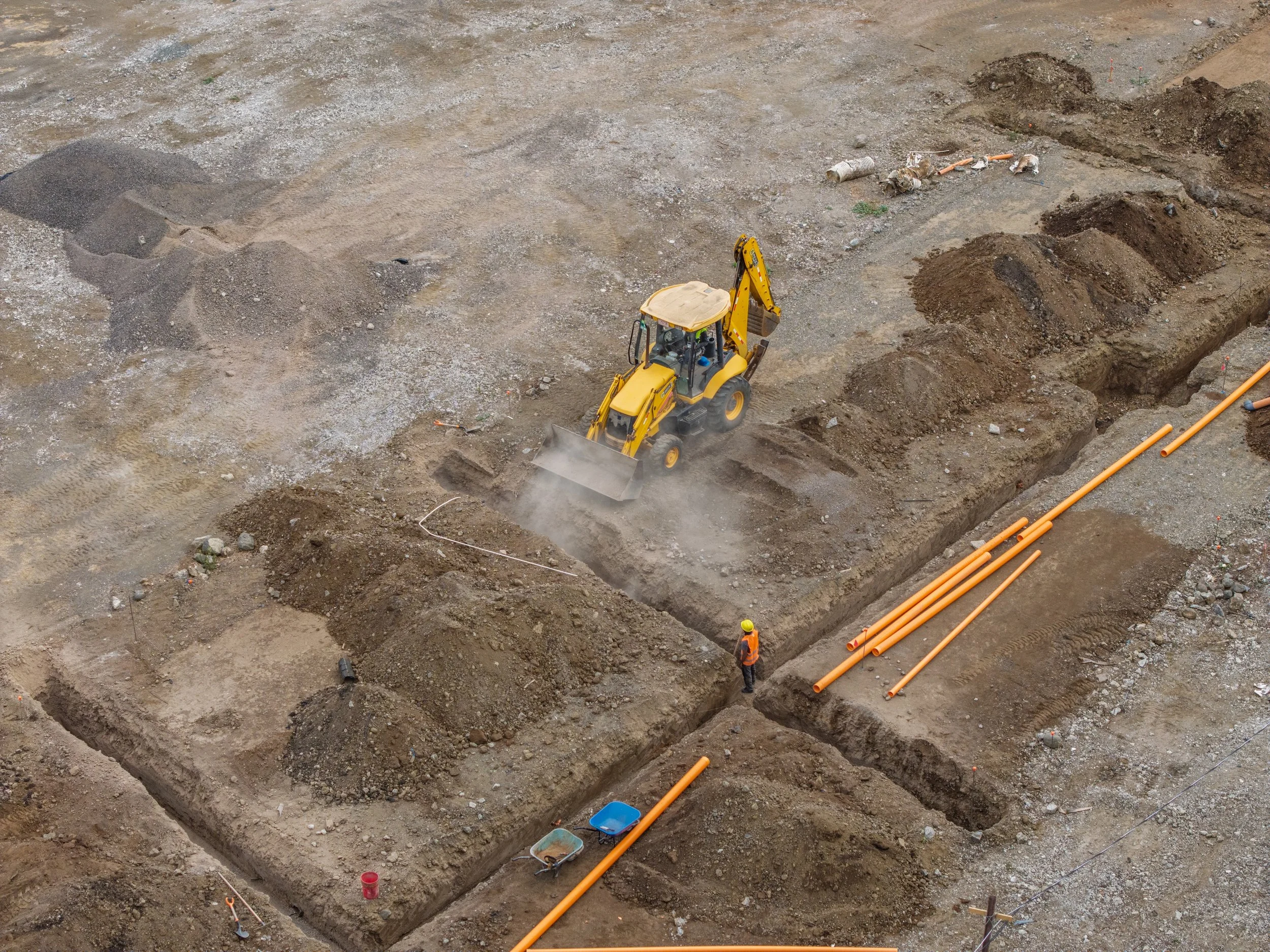
One Vision, One Team
The greatest advantage of an integrated team is continuity.
In a traditional design-bid-build model, the architect develops the design before a separate contractor enters the process. While this structure can work, it creates a natural handoff between vision and execution.
With design-build, architects, designers, and construction professionals are involved throughout the process. Ideas can be discussed alongside questions of materials, structural requirements, craftsmanship, availability, and cost.
This creates a shared understanding of the project from the very beginning.
Instead of asking, How do we build this design?, the team is constantly asking a more valuable question:
How can we design and build the best possible home together?
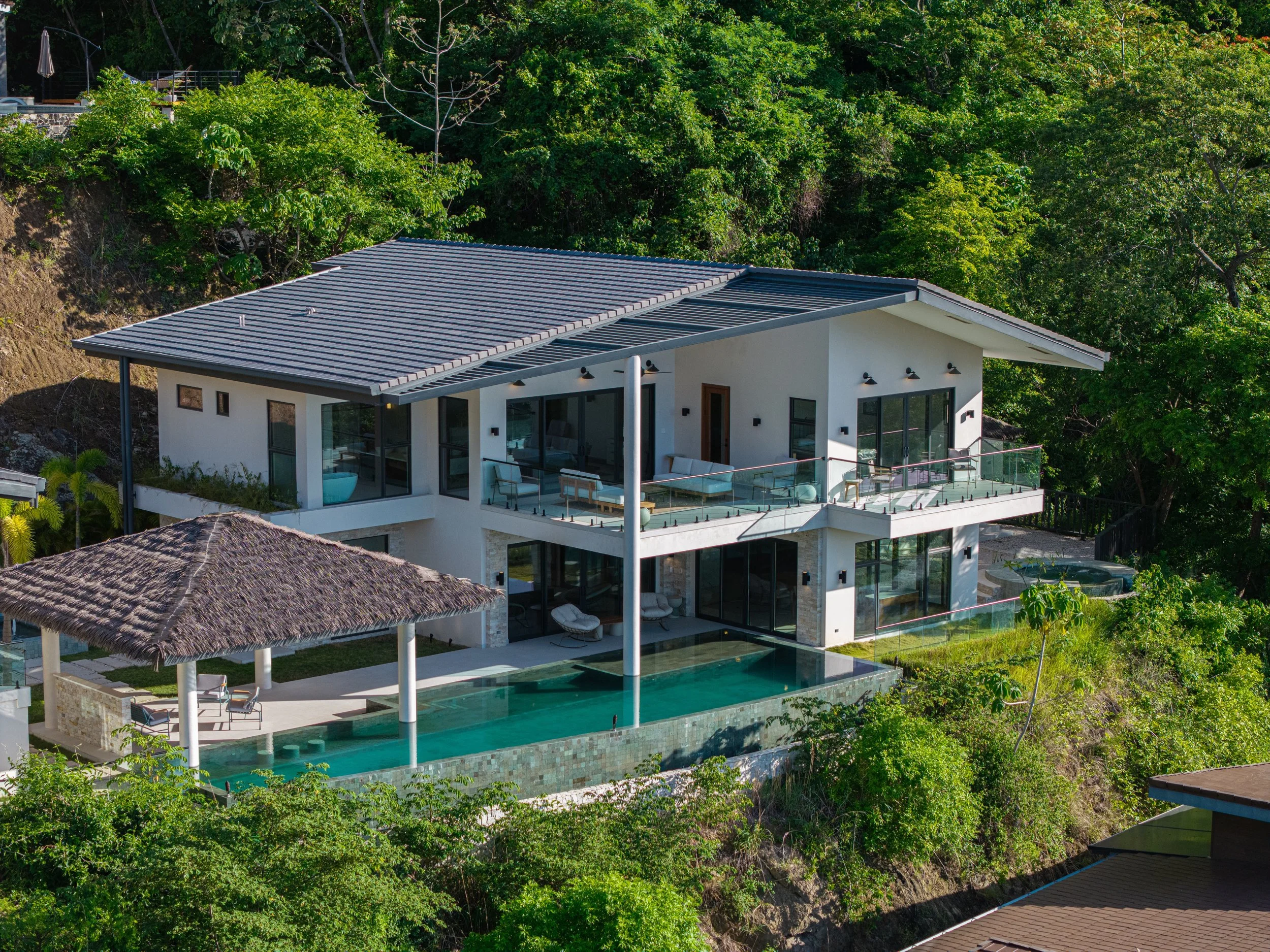
Better Decisions, Earlier
Some of the most important decisions in a home are made long before construction begins.
The orientation of a building. The relationship between indoor and outdoor spaces. The proportions of a room. The selection of materials. The way natural light moves through the house. The details that make a space feel connected to its surroundings.
An integrated team can evaluate these decisions through both a design and construction lens.
A material may look beautiful in a rendering, for example, but have different implications for maintenance, sourcing, installation, or long-term performance. A particular architectural detail may be possible, but require a different structural approach.
When the people responsible for building the home are part of these conversations early, potential challenges can be identified before they become expensive changes in the field.
That ability to make informed decisions early is one of the quiet advantages of design-build.
Greater Control Over Quality
Good architecture is ultimately experienced through details.
The precision of a joint. The transition between two materials. The way a door meets a wall. The finish of a surface. The relationship between a window and the landscape beyond it.
These details depend not only on design intent, but on execution.
When the design and construction teams work as one, there is greater accountability for carrying the original vision through every stage of the project. The people constructing the home understand not only what they are building, but why it was designed that way.
That connection can make a meaningful difference in the finished home.
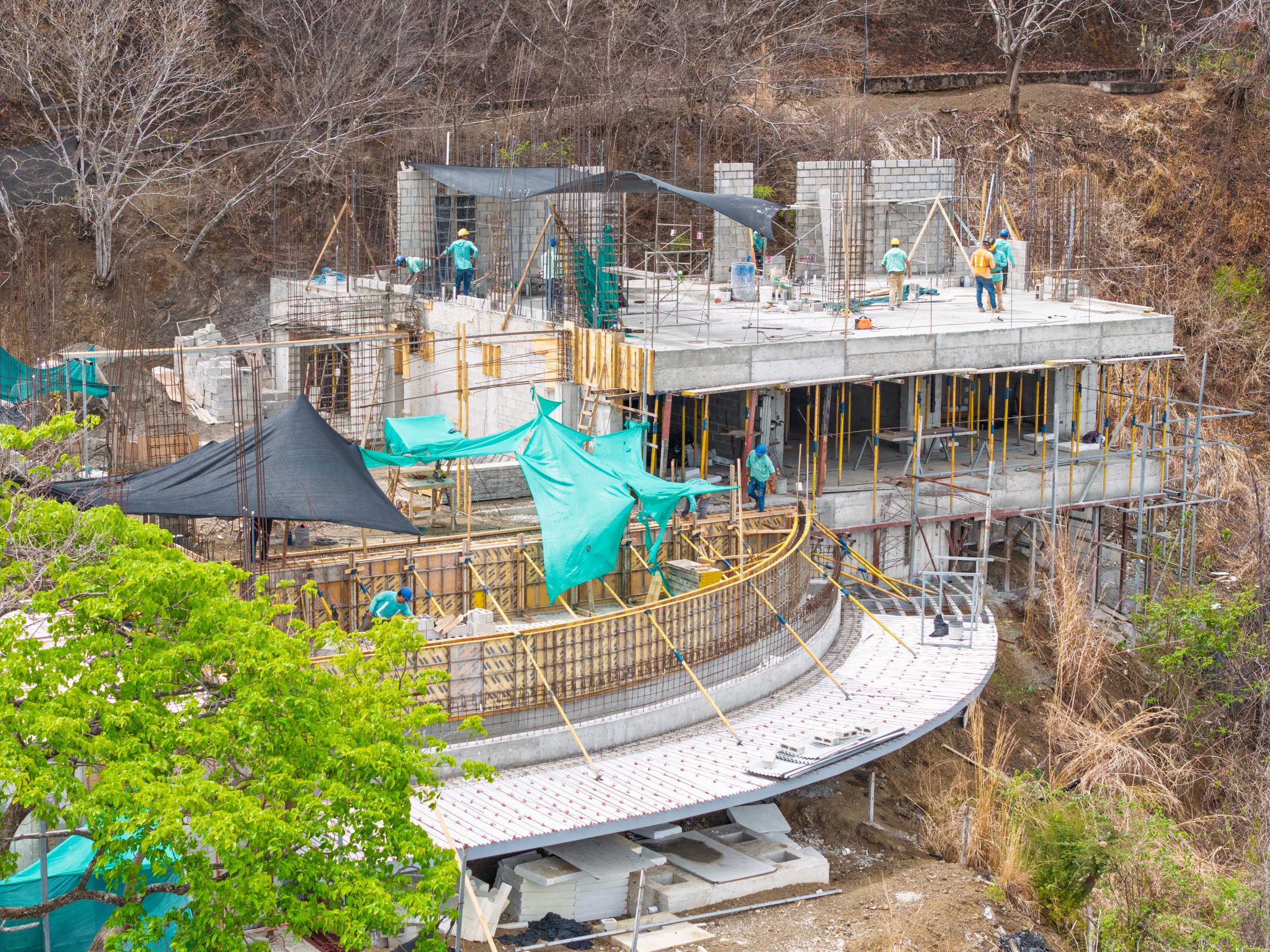
A More Transparent Building Process
Building a custom home involves complexity. Budgets evolve, materials have lead times, site conditions reveal new information, and decisions inevitably arise during construction.
An integrated approach creates a direct line of communication between the client and the team responsible for the project.
Rather than navigating multiple companies with separate responsibilities, homeowners work with a team that understands the project as a whole.
This can make conversations around budget, timelines, materials, and design changes more straightforward—and allows decisions to be made with a clearer understanding of their impact.
Transparency does not mean that every project will be predictable. It means that when something changes, the right people are already at the table to respond to it.
Designing With the Site in Mind
In a place like Costa Rica, architecture is deeply connected to its environment.
Climate, topography, vegetation, views, natural light, prevailing winds, and the relationship between interior and exterior spaces all influence how a home should be designed.
A design-build team can consider these elements not as isolated architectural concepts, but as part of the construction process itself.
The result is an opportunity to create homes that respond more naturally to their surroundings—homes where architecture, landscape, materials, and daily life feel like parts of the same conversation.
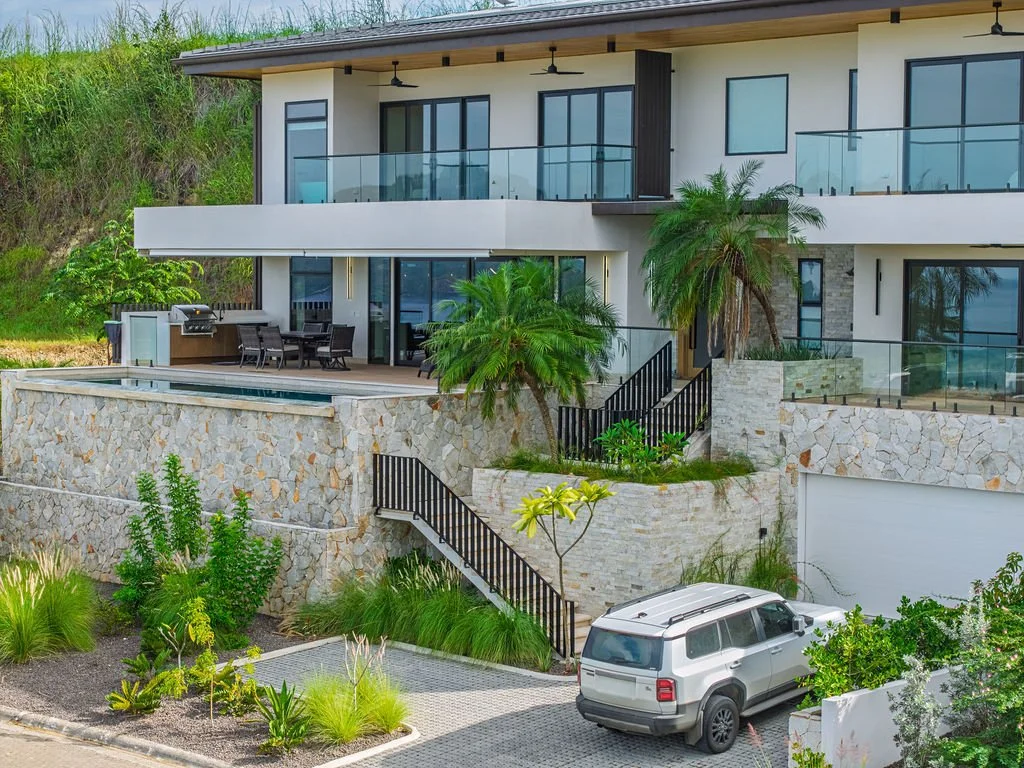
Efficiency Without Sacrificing Design
Efficiency in design-build does not mean doing things faster at the expense of creativity.
It means reducing unnecessary friction.
When the architect, designer, and builder communicate continuously, decisions do not have to travel through multiple layers of interpretation. Construction considerations can inform design decisions, while design priorities can guide construction choices.
This can reduce costly rework, improve coordination, and help the project move forward with greater clarity.
Most importantly, efficiency creates more space for the things that matter: thoughtful design, craftsmanship, and the experience of the people who will eventually call the house home.
The Home Is the Result of the Process
A successful home is not defined only by its final photographs.
It is the result of hundreds of decisions made throughout the journey—from the first conversation about the site to the final material installed.
Design-build brings those decisions into one continuous process.
For homeowners, that means working with a team that can see the entire picture: the architectural vision, the realities of construction, the character of the site, the investment being made, and ultimately, the life that will take place within the finished home.
Because when design and construction work together from the beginning, the goal is no longer simply to build what was designed.
It is to create something better because the people designing it are also thinking about how it will be built.
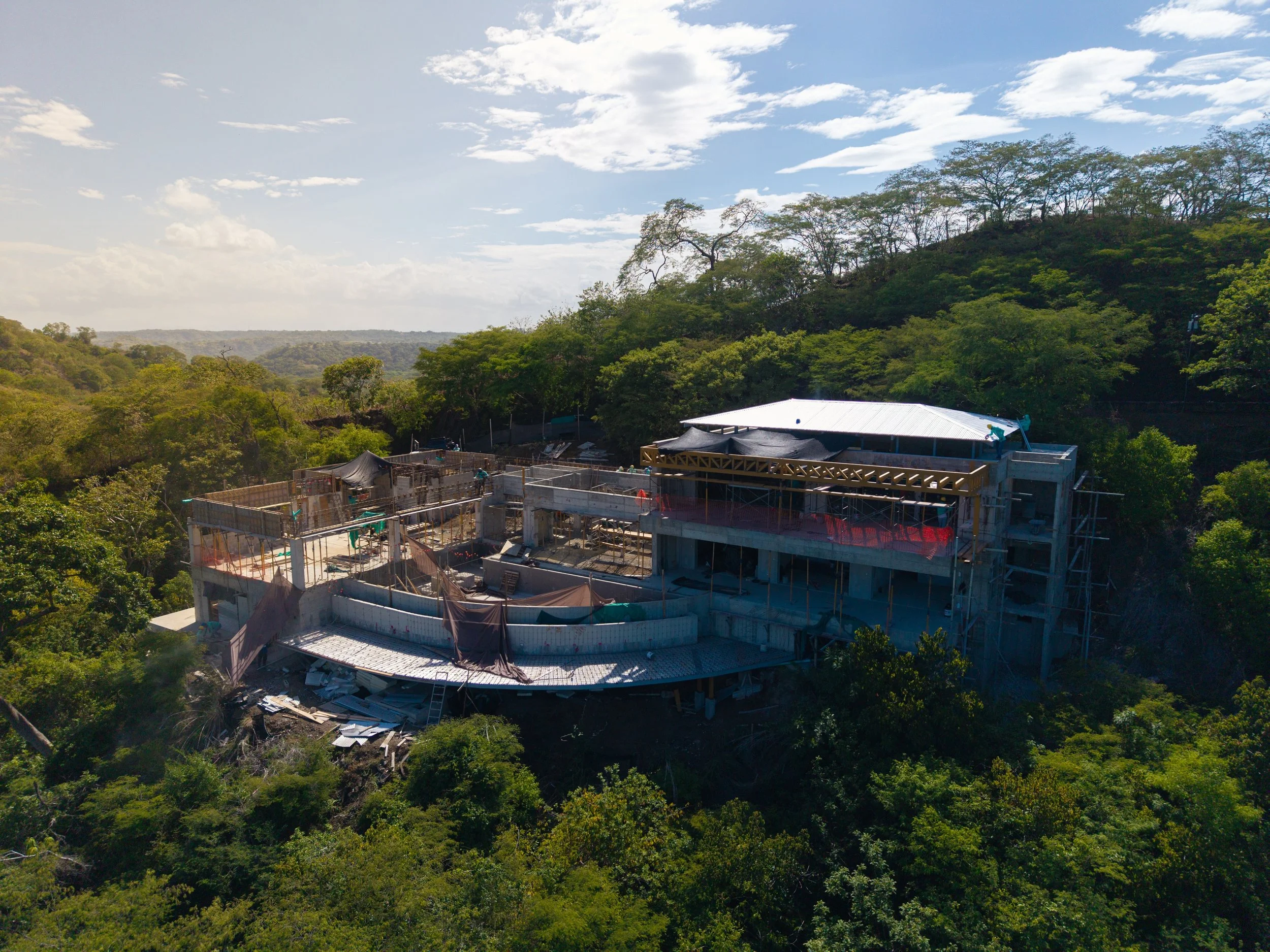
Building Better, Together
At Grupo Pacífico, we believe the strongest homes come from collaboration.
By bringing design and construction together, we create a more connected process—one where ideas can evolve, challenges can be addressed early, and every decision can be made with the finished home in mind.
The result is architecture that feels considered, construction that feels intentional, and homes that belong to their place.
Because a well-built home begins long before construction starts.
Grupo Pacifico
grupopacificocr.com
info@grupopacificocr.com
WA Business: +506.8657.7880