
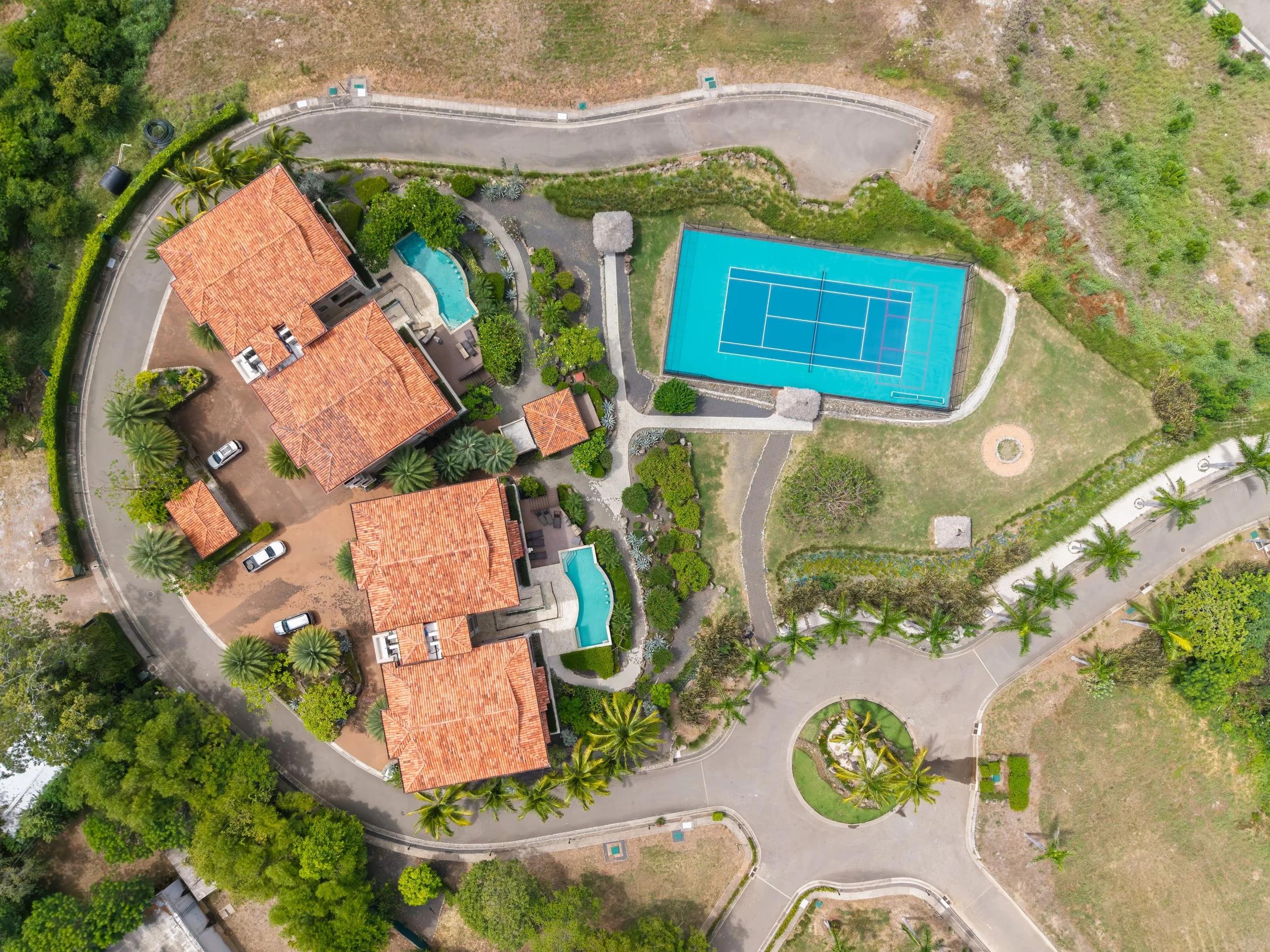
Learn More about Jaguar Village
Building a home in Costa Rica is an exciting opportunity. Whether you're planning a modern tropical residence overlooking the Pacific or a private retreat surrounded by nature, bringing that vision to life requires more than a good architectural design. It requires the right construction partner.
Choosing a builder is one of the most important decisions you'll make during the process. The company you hire will influence not only the quality of the finished home, but also how the project is planned, managed, communicated, and executed along the way.
For international buyers, this decision can be even more significant. Building in another country means navigating unfamiliar regulations, local conditions, suppliers, construction practices, and logistics. Having a team that understands the process and communicates clearly can make a meaningful difference.
Before signing a contract, take the time to ask the right questions. Here are some important things to discuss with a prospective builder in Costa Rica.
1. Are You Registered with the Appropriate Professional and Industry Organizations?
Start by understanding the company's legal and professional qualifications.
In Costa Rica, companies providing construction and engineering or architectural consulting services are subject to registration requirements with the Colegio Federado de Ingenieros y de Arquitectos (CFIA). You should ask which professionals will be responsible for your project and verify their professional status.
Questions to ask:
Is your construction company registered with the CFIA for the services it provides?
Who will be the responsible professional for my project?
Can I verify the company's and professionals' registration?
What experience do you have with projects similar to mine?
A qualified team should be comfortable explaining its structure, professional responsibilities, and the role each person will play throughout the project.
2. Can You Show Me Completed Projects Similar to Mine?
A portfolio is a useful starting point, but it is important to look beyond photographs. A builder's experience should be relevant to the type, scale, complexity, and location of your project.
For example, constructing a luxury residence on a steep ocean-view lot involves different considerations than building on flat terrain. Coastal properties may also require careful attention to material selection, drainage, humidity, salt exposure, and long-term maintenance.
Ask to see completed projects and learn more about the construction process behind them.
Questions to ask:
Have you completed projects of similar size and complexity?
Can I visit any completed homes or active construction sites?
Can you provide references from previous clients?
What challenges did you encounter on those projects, and how did you resolve them?
Have you worked in the area where I plan to build?
Speaking with previous clients can provide valuable insight into the builder's communication, organization, reliability, and approach to quality.
3. What Is Included in Your Construction Proposal?
One of the most important things to understand before hiring a builder is exactly what their proposal covers.
Construction estimates can vary significantly depending on the scope of work, materials, specifications, equipment, labor, and services included. A lower initial price does not necessarily represent a better overall value if important items are excluded or left undefined.
Ask for a detailed proposal that clearly outlines the work to be completed, materials and specifications, responsibilities, exclusions, and any allowances that may affect the final cost.
Questions to ask:
Does the proposal include all construction phases?
Are materials, finishes, fixtures, and equipment clearly specified?
What items are excluded from the estimate?
Are landscaping, pools, outdoor kitchens, retaining walls, and site preparation included?
How are unforeseen conditions or additional expenses handled?
How are changes to the original scope priced and approved?
The goal is to establish a clear understanding of what you are paying for before construction begins. Transparency at this stage helps prevent misunderstandings later.
4. How Do You Manage the Construction Process?
A well-designed home requires careful coordination to become a well-built home. Construction involves multiple trades, suppliers, consultants, inspections, and decisions that must come together in the right sequence.
Ask how the builder organizes the project and who will be responsible for overseeing the work.
Questions to ask:
Who will manage the day-to-day construction?
Will there be a dedicated project manager or site supervisor?
How do you coordinate subcontractors and suppliers?
How often are site inspections and quality checks performed?
How do you document construction progress?
How do you address delays, unexpected conditions, or construction issues?
A structured construction process helps keep the project organized and ensures that decisions are made with the overall objectives in mind.
5. How Will You Communicate With Me Throughout the Project?
Communication is particularly important when building in Costa Rica from another country. You should understand how frequently you will receive updates, who your primary contact will be, and how decisions will be handled.
A reliable builder should have a clear communication process rather than relying on occasional messages or informal conversations.
Questions to ask:
Who will be my main point of contact?
How often will I receive progress reports?
Do you provide construction photos and videos?
Can we schedule regular virtual meetings?
How are important decisions documented?
What happens if I need to make a decision while I am outside Costa Rica?
Look for a team that values clear, consistent communication. You should feel informed about the project's progress, upcoming decisions, and any issues that require your attention.
6. What Is Your Approach to Quality Control?
Quality is not something that can be added at the end of a project. It must be considered throughout the construction process, from the foundation and structural work to waterproofing, installations, finishes, and final details.
In Costa Rica's tropical and coastal environments, construction quality also means understanding how materials and building systems perform under local conditions.
Questions to ask:
What quality-control procedures do you follow?
Who verifies that work meets the approved plans and specifications?
How do you inspect structural work, waterproofing, drainage, and roofing?
How do you ensure that materials are appropriate for the local climate?
How are construction deficiencies identified and corrected?
What inspections take place before project handover?
Pay attention to how the builder answers. Quality should be reflected in a consistent process, not simply promised as a final result.
7. How Do You Approach Site Planning and Local Conditions?
Every property presents its own opportunities and challenges. Before construction begins, the builder should understand the characteristics of the land and how they influence the design, budget, and construction strategy.
This is especially important in Guanacaste, where projects may involve steep terrain, rocky ground, coastal exposure, seasonal rainfall, and specific access or drainage conditions.
Questions to ask:
How do you evaluate the property before construction?
What studies or technical assessments may be necessary?
How do topography and soil conditions affect the foundation and site preparation?
How will you address stormwater management and drainage?
What considerations are made for sun exposure, prevailing winds, and ocean views?
Are there any site-related risks that could affect the budget or schedule?
Good site planning can help prevent costly surprises and create a home that responds naturally to its surroundings.
8. How Do You Handle Permits and Construction Requirements?
Construction in Costa Rica involves a series of technical and administrative requirements. Depending on the property and project, these may include professional plans and approvals, municipal construction permits, and documentation from relevant institutions.
You should understand which responsibilities belong to the builder, which belong to the architect or other professionals, and which remain with you as the property owner.
Questions to ask:
Which permits and approvals are required for my project?
Who coordinates the documentation and submissions?
What is the status of the architectural and engineering plans?
Who is responsible for coordinating with the relevant authorities?
Can construction begin before all required approvals are in place?
Do not assume that permitting is automatically included in a construction proposal. Confirm the scope of responsibility and make sure the appropriate approvals are obtained before work begins.
9. What Is Your Construction Timeline?
A realistic schedule should account for more than the estimated number of months required to build the home. It should consider design coordination, permitting, procurement, material availability, labor, weather conditions, and the sequence of construction activities.
In Guanacaste, seasonal rainfall can influence earthworks, site access, material deliveries, and certain construction activities. A good builder should understand these conditions and plan accordingly.
Questions to ask:
What is the estimated construction duration?
What are the major milestones?
Which activities could affect the schedule?
How do you plan around the rainy season?
How are long-lead materials and custom finishes ordered?
How will I be informed if the schedule changes?
Rather than looking for an unrealistic promise of a specific completion date, look for a builder who can explain the schedule, identify potential risks, and manage expectations transparently.
10. What Insurance, Guarantees, and Handover Procedures Do You Provide?
Before hiring a builder, understand how responsibilities are handled during construction and after the home is delivered.
Ask for details about the applicable insurance coverage, how subcontractors are managed, what warranties or guarantees apply, and how any outstanding issues will be addressed.
Questions to ask:
What insurance coverage applies to the construction project?
How are workers and subcontractors covered?
What warranties or guarantees are provided?
How are defects or construction issues handled after completion?
Will I receive documentation for installed systems, equipment, and materials?
Is there a formal final inspection and handover process?
These details should be discussed and documented before signing the agreement. Consider having a qualified local legal professional review the construction contract and related documentation.
11. Why Should I Choose Your Company for My Project?
Finally, ask the builder to explain what makes their approach different.
This is an opportunity to understand how the company works, what it values, and whether its philosophy aligns with your expectations.
Questions to ask:
What is your approach to design and construction?
How do you maintain consistency between the architectural vision and the finished home?
What role does sustainability play in your projects?
How do you balance craftsmanship, quality, and budget?
What can I expect from your team throughout the building experience?
The answers should give you a sense of whether the company is simply focused on completing a construction project or committed to guiding the entire process with care and accountability.
Choosing the Right Builder Is About More Than Just the Price
Hiring a builder in Costa Rica is not simply a matter of comparing proposals. It is about finding a team with the experience, organization, technical knowledge, and communication skills to bring your vision to life in a stress free way.
The right construction partner should be able to explain how they work, what is included, how they manage challenges, and how they maintain quality throughout the project.
Look for transparency in the proposal, clarity in the contract, a structured approach to project management, and a genuine commitment to craftsmanship. Take time to review previous work, speak with references, and understand who will be responsible for each stage.
At Grupo Pacífico, we believe exceptional homes are the result of thoughtful planning, integrated design and construction, and attention to detail at every stage. Our approach brings architecture, construction, and project leadership together to create a more coordinated building experience.
Because a successful project is about more than the home you see at the end. It is also about the decisions, people, and process that bring it there.
Building the dream starts with choosing the right team.