
Site Preparation, Construction Planning, and Quality Execution

Building a home in Costa Rica means working with the country's tropical climate. While the dry season is often considered the ideal time for construction, the rainy season doesn't necessarily mean a project has to stop. With the right planning, preparation, and construction team, work can continue while protecting quality, safety, and long-term performance.
In much of Costa Rica, the rainy season generally extends from May through November, although timing and rainfall patterns vary by region. In Guanacaste, where many luxury homes are built on hillsides and coastal properties, seasonal rain can influence everything from site access and earth movement to material deliveries and construction schedules.
The key is understanding how weather affects each stage of the project and preparing for those conditions before they become challenges.
At Grupo Pacífico, we believe successful construction depends on more than the architectural design. It requires careful site planning, coordination, and attention to detail throughout the building process.
Planning Begins Before Construction
One of the most important steps in preparing for rainy-season construction is evaluating the site before work begins.
Topography, soil conditions, natural drainage patterns, access routes, and existing vegetation can all influence how a property responds to heavy rainfall. On sloped land, water management is particularly important, as runoff can affect excavation areas, temporary access roads, retaining structures, and the stability of exposed ground.
Understanding these conditions early allows the team to plan the sequence of work, identify potential challenges, and establish appropriate drainage and erosion-control measures.
This is especially relevant for properties with significant elevation changes or limited access. A site that appears straightforward during the dry season may behave very differently after several days of rain.
Good construction planning doesn't wait for problems to appear. It anticipates them.
Earth Movement and Site Drainage
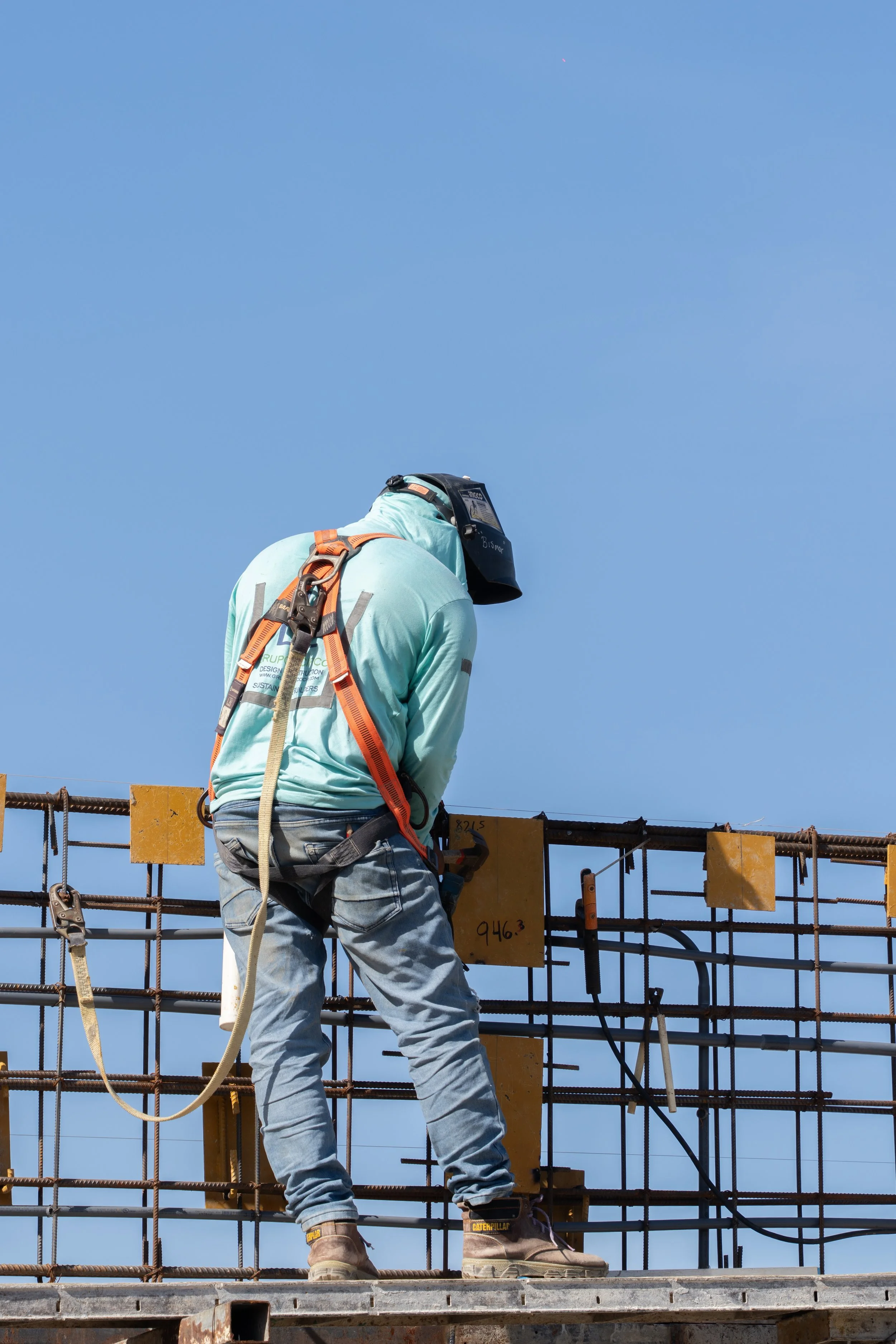
Earth movement is often one of the most weather-sensitive stages of construction. Heavy rain can soften exposed soil, create erosion, affect equipment access, and complicate excavation or grading.
Whenever possible, major earthworks should be scheduled with seasonal conditions in mind. However, when work must take place during the rainy season, the approach needs to account for the site's specific soil, slope, drainage, and engineering requirements.
Temporary drainage measures, erosion control, protected excavation areas, and carefully planned construction access can help manage water and reduce unnecessary disruption. Permanent drainage systems must also be designed and installed correctly to direct runoff away from structures and vulnerable areas.
On hillside properties in Guanacaste, these decisions can influence the entire project. Site preparation is not simply about creating a building platform. It is about establishing the conditions for a home to perform well over time.
Protecting Materials and Work in Progress
Rain affects more than the ground. It can also influence the installation, storage, and performance of construction materials.
Cement-based work, waterproofing, coatings, sealants, and certain finishes require appropriate environmental conditions during application and curing. Excess moisture at the wrong stage can compromise installation quality or lead to rework.
Materials should be stored according to manufacturer recommendations, with appropriate protection from rain, moisture, and direct exposure where necessary. Construction areas may also require temporary coverings or adjusted work sequences to protect completed work.
The goal is not to rush to keep the schedule moving at any cost. It is to understand when conditions are suitable for the work and when waiting is the better decision.
Quality execution means knowing when to proceed—and when conditions require a different approach.
Managing Construction Schedules
Rainy-season construction requires realistic scheduling and clear communication.
Weather can affect deliveries, site access, excavation, exterior finishes, concrete-related work, and other activities that depend on suitable conditions. Some tasks may continue indoors or in protected areas while weather-sensitive work is temporarily adjusted.
This makes construction sequencing particularly important. A well-coordinated team considers which activities can progress independently, which depend on earlier stages being completed, and where weather-related delays may affect subsequent work.
Permits, supplier availability, holidays, and subcontractor coordination can also influence the overall timeline. These factors should be considered alongside seasonal weather when establishing expectations.
Not every rainy-season project will experience the same challenges, and no schedule can eliminate weather-related uncertainty. However, thoughtful planning and proactive communication can help limit avoidable downtime and keep the project moving safely and efficiently.
Why Quality Control Matters Even More
When working through the rainy season, attention to detail becomes especially important.
Drainage, waterproofing, roof installation, window and door detailing, exterior finishes, and the protection of unfinished spaces all contribute to how well a home manages water. These elements need to be properly specified, coordinated, and installed—not treated as last-minute solutions.
For luxury homes in coastal Costa Rica, long-term performance depends on getting these fundamentals right. Water intrusion or poorly managed runoff can lead to deterioration, repairs, and unnecessary maintenance long after construction is complete.
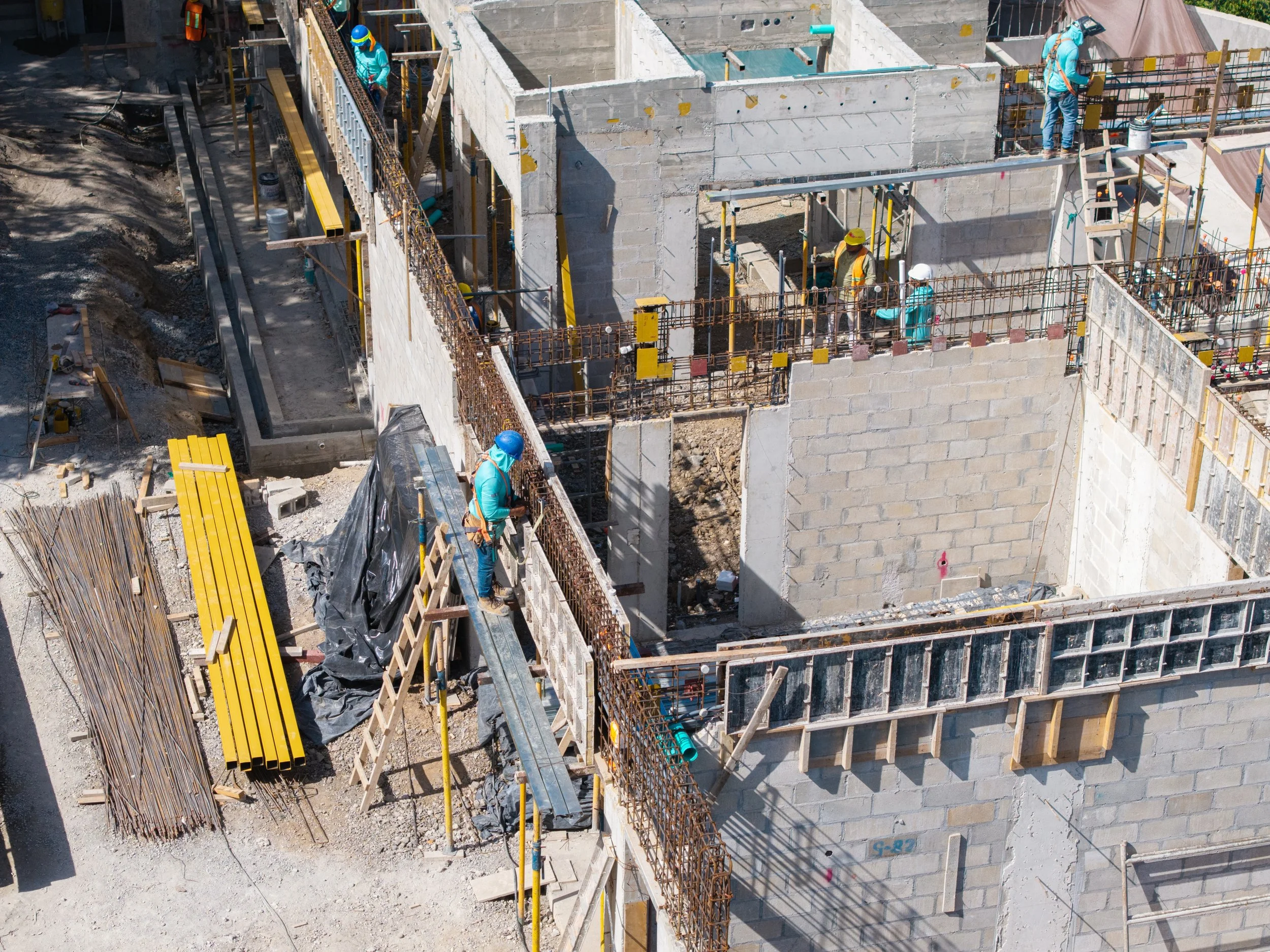
Quality control should therefore be part of every stage of the process. Work needs to be inspected at the appropriate time, installations should follow relevant specifications, and any issues identified should be addressed before they are concealed by subsequent finishes.
The finished home may appear effortless, but the performance behind it depends on disciplined execution.
Can Sustainable Design Help?
Sustainable design and climate-responsive construction are closely connected.
A home that responds to local rainfall, natural ventilation, sunlight, and topography begins with better-informed decisions. Roof overhangs, site orientation, appropriate materials, landscape planning, and carefully designed drainage all contribute to how the home interacts with its environment.
Landscaping can also play a role in managing runoff and protecting exposed ground when designed appropriately for the site. Native and climate-adapted plants may support a landscape that responds more naturally to local conditions, although planting choices and establishment methods must account for seasonal rainfall and soil characteristics.
These strategies are part of a broader sustainable luxury design-build approach. Sustainability isn't only about energy efficiency or solar panels. It also involves creating homes that respond intelligently to their environment and are built to perform over time.
Choosing the Right Construction Team
Building during Costa Rica's rainy season makes the experience and coordination of the construction team particularly important.
When evaluating a builder, ask how they assess site conditions, manage drainage, protect materials, sequence weather-sensitive activities, and communicate schedule changes. It is also worth understanding how quality control is handled and who is responsible for coordinating the different trades involved in the project.
An integrated design-build approach can help connect site planning, architectural decisions, construction methodology, and project management from the beginning. When these disciplines work together, potential challenges can be considered earlier and decisions can be made with a clearer understanding of their impact on the overall project.
At Grupo Pacífico, we believe transparency is an essential part of that process. Understanding what is happening on site, why certain decisions are being made, and how the team responds to changing conditions helps create a more informed and coordinated building experience.
Building With the Season, Not Against It
The rainy season is a normal part of building in Costa Rica. It brings challenges, but it also reinforces the importance of preparation, communication, and sound construction practices.
Every property has different conditions, and every project requires its own strategy. The objective is to understand those conditions, plan accordingly, protect the quality of the work, and make decisions based on what the project needs, not simply on the calendar.
For Grupo Pacífico, exceptional construction is about more than completing a home. It is about managing the process carefully, respecting the site, and maintaining the standards that support long-term performance.
Because a home built to last begins long before the final finishes. It begins with the decisions made on the land, in every season.