
Why Indoor-Outdoor Living Defines Luxury Homes in Costa Rica
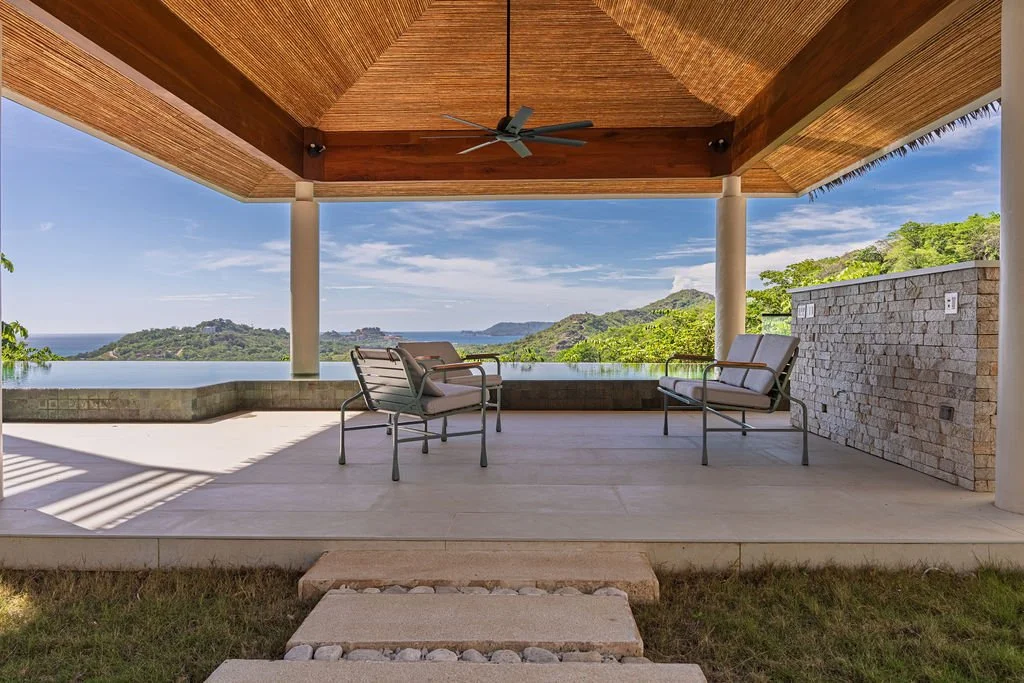
The Art of Designing a Home That Lives Beyond Its Walls
In Costa Rica, luxury living is not confined to the interior of a home. It extends into the landscape, toward the ocean, beneath shaded terraces, beside the pool, and into the natural environment that surrounds the property.
For this reason, indoor-outdoor living has become one of the defining characteristics of luxury homes in Costa Rica. The most successful residences don't simply provide outdoor spaces as an addition to the house—they design the entire home around the relationship between interior comfort and the outdoors.
At Grupo Pacífico, this connection is central to our approach to sustainable luxury design-build. We believe a home should respond to its climate, its landscape, and the way its owners actually want to live.
What Is Indoor-Outdoor Living?
Indoor-outdoor living is more than installing large glass doors.
It is the intentional design of spaces so that interior and exterior environments feel connected, allowing residents to move naturally between them throughout the day.
This might include:
Large sliding glass doors
Covered outdoor living areas
Shaded terraces
Outdoor kitchens and dining spaces
Infinity-edge pools
Outdoor showers
Landscaped courtyards
Open-air wellness spaces
Natural transitions between living areas and gardens
The objective is to make the outdoors feel like an extension of the home.
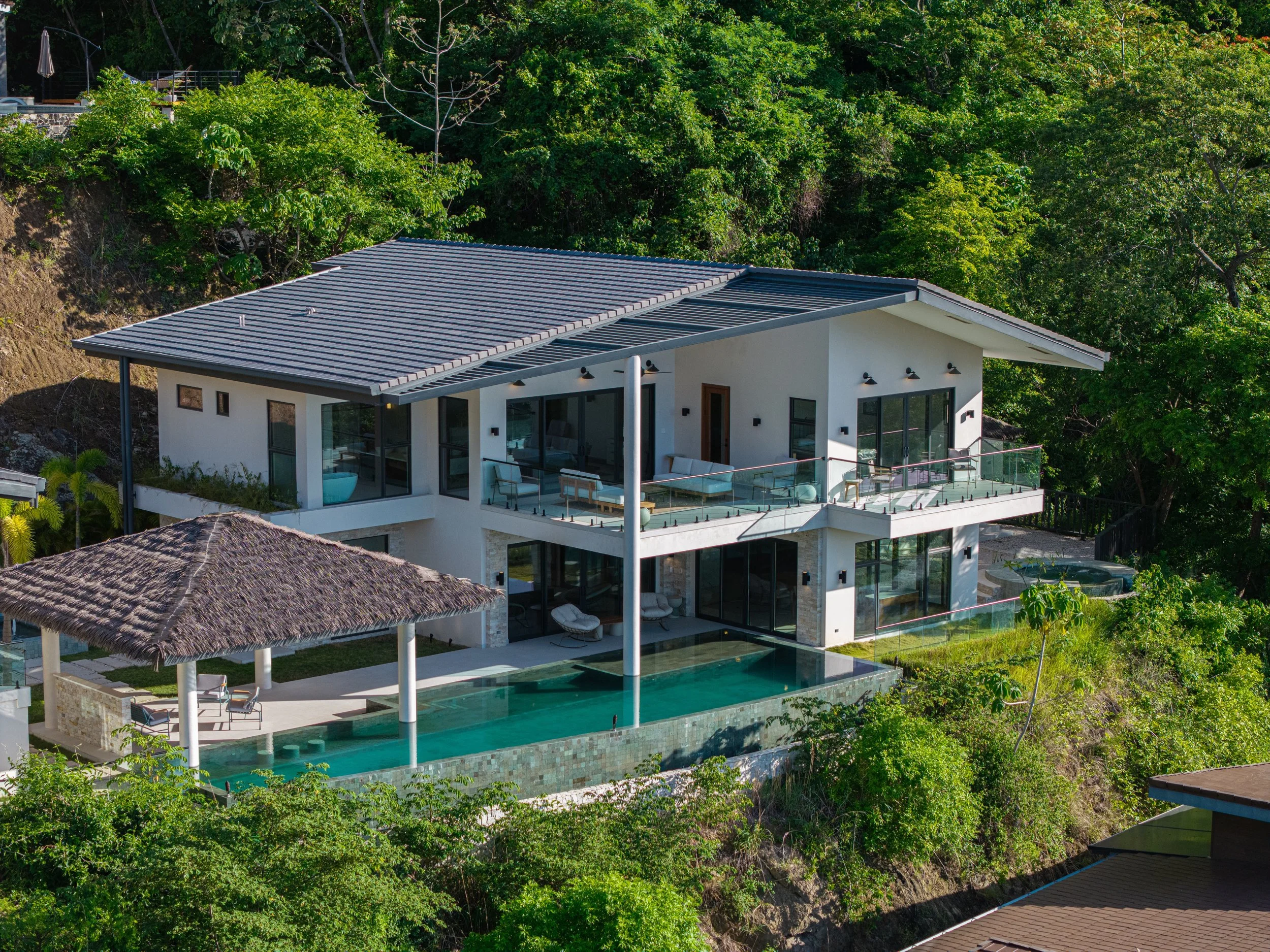
Designing Around Costa Rica's Climate
Costa Rica offers an extraordinary opportunity for indoor-outdoor architecture because of its tropical climate and abundant natural beauty.
But successful tropical design requires more than opening the house to the outside.
Sun exposure, rainfall, humidity, prevailing winds, and temperature all need to be considered during the design process.
Strategic orientation and carefully positioned openings can encourage natural cross-ventilation, while generous roof overhangs and shaded terraces help protect interiors from intense sun and rain.
This is where sustainable luxury design becomes particularly important.
Instead of relying entirely on mechanical systems, thoughtful architecture can work with the local climate to improve comfort and reduce energy consumption.
The Importance of Shade
One of the most important elements of outdoor living in Costa Rica is shade.
A beautiful terrace is only useful if it is comfortable to occupy.
Deep roof overhangs, pergolas, covered terraces, vegetation, and carefully positioned architectural elements can create shaded spaces that remain enjoyable throughout the day.
This becomes particularly important for west-facing spaces that capture afternoon and sunset light.
Good design considers not only where the sun rises and sets, but also how the home will be experienced at different times of the day.
Creating Seamless Transitions
The strongest indoor-outdoor homes make the transition between spaces feel effortless.
Large openings can connect living rooms with terraces, kitchens with outdoor dining areas, and bedrooms with private gardens or views.
Materials can also help reinforce this relationship.
Continuity between interior and exterior flooring, natural stone, wood elements, landscaping, and carefully selected textures can visually connect spaces even when they serve different functions.
The result is a home that feels larger, more open, and more connected to its surroundings.
Outdoor Spaces Should Be Designed for Living
An outdoor area shouldn't simply be a beautiful photograph.
It should have a purpose.
A well-designed luxury residence might include different outdoor environments for different moments:
Morning coffee: A quiet terrace positioned to capture the sunrise.
Entertaining: A shaded outdoor kitchen and dining area connected to the main living spaces.
Wellness: A yoga deck, garden, or peaceful space oriented toward nature.
Relaxation: A pool terrace designed around views, shade, and privacy.
Sunset: A carefully positioned outdoor lounge that captures the changing light over the Pacific.
This is where architecture becomes deeply personal. The best homes aren't simply designed to look impressive—they are designed around how people want to live.
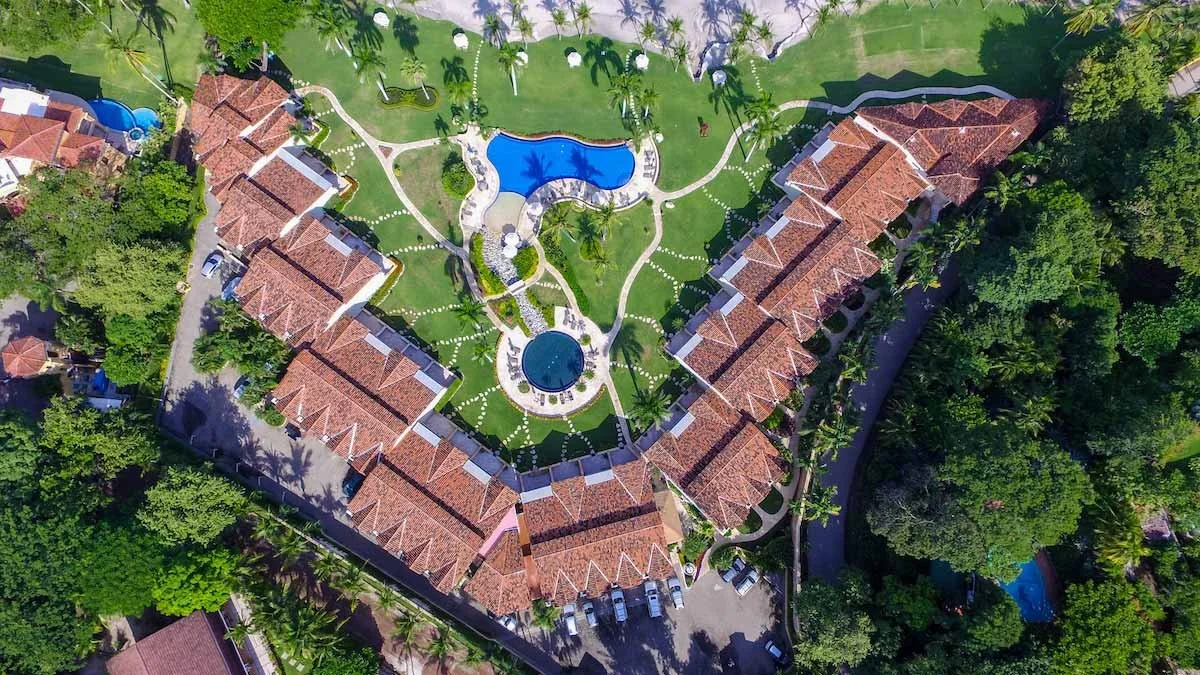
Pools as Architectural Elements
In many Costa Rican luxury homes, the swimming pool is much more than a recreational feature.
It can become an architectural bridge between the home and the landscape.
An infinity-edge pool can visually extend toward the Pacific Ocean. Water features can create movement and sound. A pool terrace can connect the living room to the surrounding landscape.
But achieving this effect requires careful planning.
The pool's position, elevation, structural engineering, waterproofing, drainage, circulation systems, and relationship to the architecture all need to be considered from the beginning.
When properly integrated, the pool becomes part of the home's architecture rather than an element added after the fact.
Connecting With the Landscape
Indoor-outdoor living is ultimately about more than architecture.
It is about the landscape.
Native and climate-appropriate vegetation can provide shade, privacy, texture, and habitat while reducing unnecessary irrigation and maintenance.
In Costa Rica, thoughtful landscape design can create a stronger sense of place by allowing the home to feel immersed in its natural surroundings rather than separated from them.
This is particularly important for ocean-view and hillside properties, where preserving the relationship between the architecture and the surrounding landscape can define the entire experience.
Indoor-Outdoor Living and Sustainability
When designed correctly, indoor-outdoor living can support sustainable building strategies.
Natural ventilation can reduce dependence on air conditioning.
Shading can reduce solar heat gain.
Natural daylight can reduce artificial lighting requirements.
Native landscaping can reduce irrigation needs.
Thoughtful orientation can improve both comfort and energy performance.
These strategies demonstrate why sustainability and luxury don't have to compete.
In fact, the most sophisticated luxury homes often use sustainability to make the living experience better.
Designing for the Costa Rican Lifestyle
There is also a cultural dimension to indoor-outdoor living.
Costa Rican life naturally encourages time spent outdoors—with family, friends, food, nature, and, of course, a good cup of coffee.
A thoughtfully designed home reflects that lifestyle.
A shaded terrace can become the place where mornings begin. An outdoor kitchen can become the center of a gathering. A pool deck can become the setting for an afternoon with family. A garden can become a quiet retreat at the end of the day.
These aren't secondary spaces.
They are part of the home.
Luxury Is About Experience
The definition of luxury is changing.
It is no longer simply about having the largest home or the most expensive finishes. Increasingly, luxury is about comfort, privacy, connection to nature, wellness, and the quality of everyday experiences.
That is why indoor-outdoor living is such a fundamental component of modern luxury homes in Costa Rica.
The best residences don't ask you to choose between the comfort of the indoors and the beauty of the outdoors.
They bring the two together.
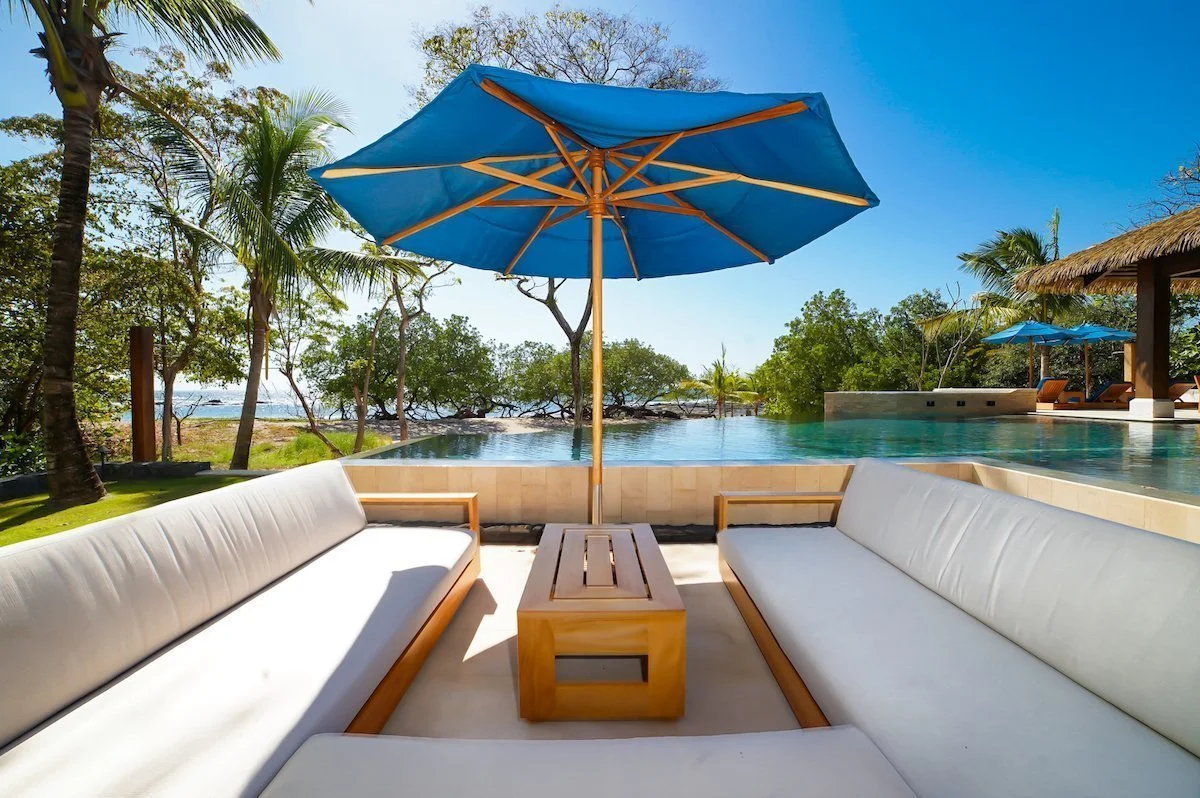
Building Homes That Belong to Their Environment
At Grupo Pacífico, our sustainable luxury design-build philosophy begins with understanding the relationship between the home, the land, and the people who will live there.
From site orientation and architectural design to construction, materials, landscaping, and outdoor living spaces, every decision contributes to that relationship.
Because a truly exceptional Costa Rican home shouldn't simply sit within its surroundings.
Grupo Pacifico
grupopacificocr.com
info@grupopacificocr.com
WA Business: +506.8657.7880