
Why Attention to Detail Matters in Luxury Construction
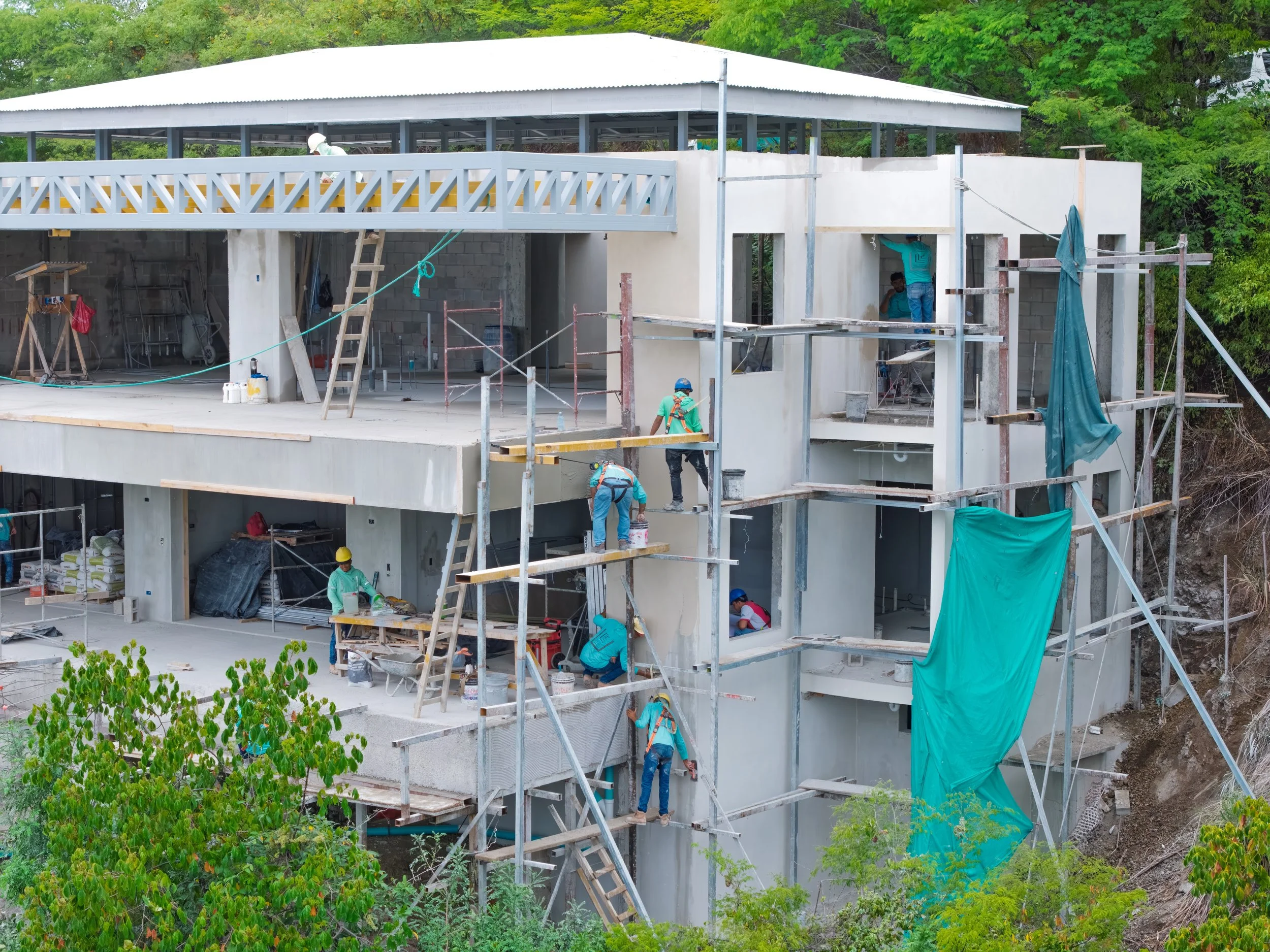
How Craftsmanship, Build Quality, and Precision Protect Long-Term Value
In luxury construction, the difference between a good home and an exceptional one often comes down to details that are easy to overlook.
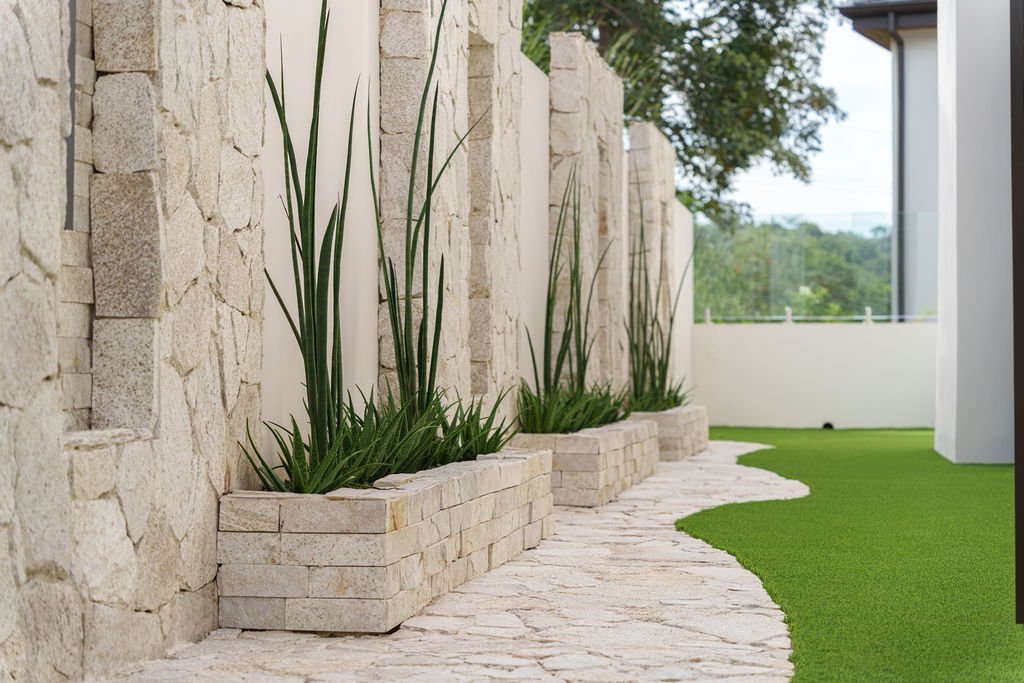
The alignment of a stone finish. The precision of an infinity-edge pool. The way water drains away from a terrace. The installation of a window exposed to coastal weather. These decisions may seem small when considered individually, but together they determine how a home looks, feels, and performs over time.
In Costa Rica, where tropical conditions, humidity, intense sunlight, and seasonal rainfall place particular demands on buildings, attention to detail is about much more than aesthetics. It is an essential part of protecting the quality and long-term value of a luxury residence.
At Grupo Pacífico, we believe exceptional homes are created through thoughtful planning, skilled craftsmanship, and precision at every stage of construction.
The Details You See & the Ones You Don't
Some details immediately contribute to the visual experience of a luxury home. Custom stonework, carefully selected finishes, seamless transitions between indoor and outdoor spaces, and precisely executed architectural features create a sense of cohesion and refinement.
But some of the most important details are hidden.
Waterproofing, drainage, structural connections, window installation, mechanical systems, and the preparation of surfaces all influence how a home performs. These elements may not be visible once construction is complete, yet their quality can become increasingly apparent over the years.
When these systems are properly designed, coordinated, and installed, they help protect the home from avoidable problems. When they are overlooked, the consequences may include water intrusion, premature deterioration, repairs, and unnecessary maintenance.
True craftsmanship is not only what you see in the finished home. It is also the quality of the work you may never see.
Precision Protects Long-Term Value
A luxury home is a substantial investment, and its long-term value depends on more than its location, architectural style, or finishes.
The quality of construction plays an important role in how a property ages. Materials must be appropriate for their environment, installation must follow the requirements of the system, and critical construction details must be resolved before they become problems.
In Costa Rica's coastal regions, for example, salt air can accelerate corrosion, while humidity and seasonal rainfall make material selection, ventilation, waterproofing, and drainage particularly important. Outdoor finishes must also withstand exposure to sunlight and changing weather conditions.
Attention to these factors during construction can help reduce avoidable deterioration and support more predictable maintenance over time.
This does not mean every carefully built home will be maintenance-free. Every property requires ongoing care. The goal is to make informed decisions from the beginning, minimize preventable issues, and create a home designed to perform well in its specific environment.
Why Material Selection Matters
Luxury materials are not automatically the right materials.
A finish may look exceptional in a showroom but perform differently when exposed to tropical humidity, direct sunlight, heavy rain, or coastal air. The right selection depends on the location, the application, the installation method, and the level of maintenance the homeowner is prepared to undertake.
This is why material selection should consider both appearance and performance.
Natural stone, wood, metal, glazing, exterior coatings, and flooring each have different characteristics. Their suitability depends on where and how they are used, how they are installed, and how they will be maintained.
When these decisions are made thoughtfully, materials can preserve the architectural vision while contributing to durability and a cohesive finished product.
The objective is not simply to choose the most expensive finish. It is to choose the right material for the right application—and execute it properly.
The Complexity Behind Seamless Design
Luxury architecture often aims to make complex things look effortless.
Large sliding doors appear to disappear into walls. Interior floors continue onto shaded terraces. Infinity-edge pools seem to merge with the Pacific Ocean. Water features, lighting, and landscaping work together as though they were always meant to be one composition.
Achieving these results requires more than an eye for design.
It requires coordination between architectural drawings, structural engineering, waterproofing, drainage, mechanical systems, material transitions, and construction sequencing. Each component must work with the others.
Consider an infinity-edge pool. Its visual simplicity depends on structural precision, carefully coordinated hydraulics, effective waterproofing, and accurate execution of the edge and surrounding finishes. A small error in one part of the system can affect both the appearance and performance of the finished feature.
The same principle applies throughout the home. The more seamless the result appears, the more important the coordination behind it becomes.
Attention to Detail and Sustainable Luxury
Sustainability and craftsmanship are closely connected.
A home designed around its climate, built with appropriate materials, and equipped with well-coordinated systems has a stronger foundation for long-term performance.
Thoughtful orientation, natural ventilation, shaded outdoor spaces, high-performance glazing, water-efficient fixtures, and climate-appropriate landscaping can all contribute to a more comfortable and resource-conscious home.
However, the benefits of these strategies depend on how well they are integrated and executed. An efficient system must be properly specified and installed. A durable material must be suitable for its application. A well-designed drainage strategy must be carried through during construction.
This is where sustainable luxury design-build becomes more than a design philosophy. It connects architectural intent with practical construction decisions, helping ensure that the details supporting efficiency, comfort, and durability are considered throughout the process.
The Cost of Overlooking the Small Things
Construction budgets naturally require careful management, but cutting corners can create costs that are not immediately apparent.
An installation completed without sufficient preparation may need to be redone. Inadequate waterproofing can lead to damage that extends beyond the original area. Poorly coordinated systems may require modifications after finishes have already been installed.
These problems can involve additional labor, replacement materials, disruption, and maintenance.
Attention to detail does not mean spending without limits or pursuing perfection at any cost. It means identifying which decisions are critical, understanding the consequences of getting them wrong, and allocating the appropriate time, expertise, and resources to execute them correctly.
The goal is not to build at any cost. It is to avoid paying twice for work that should have been done right the first time.
Craftsmanship Requires Time
Handmade elements and carefully executed finishes demand patience, experience, and precision. Custom stonework, detailed joinery, complex transitions, and bespoke architectural features cannot always be rushed without affecting the result.
Time is an important part of quality construction because work needs to be properly prepared, coordinated, installed, and checked. Some stages must also be completed in the correct sequence before the next can begin.
Respecting that process helps protect the integrity of the finished product.
At Grupo Pacífico, we believe craftsmanship deserves the time and attention required to achieve the intended result. Exceptional homes are not created by rushing through the details. They are created by understanding which details matter and giving them the attention they deserve.
Quality Is Built Into Every Decision
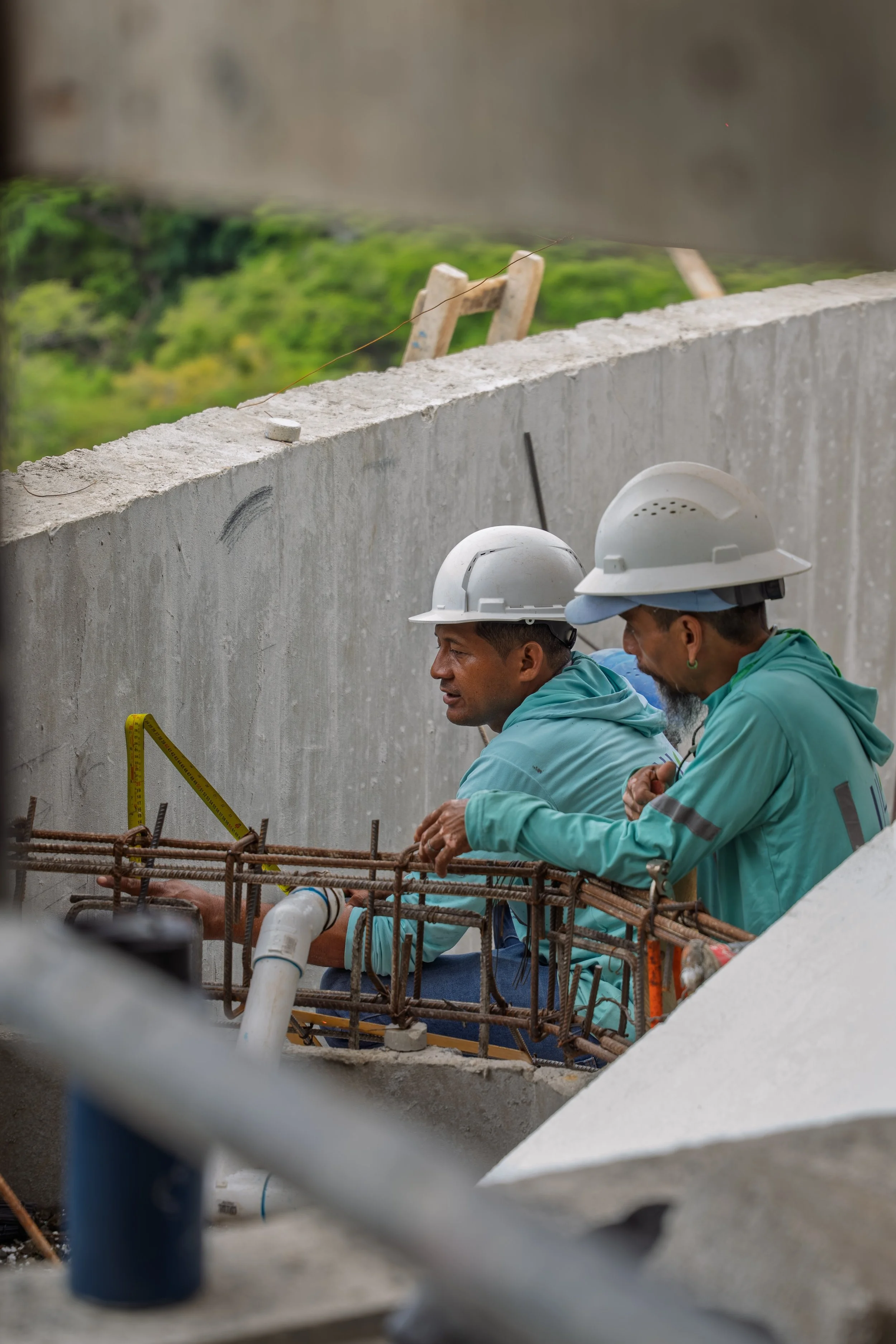
Attention to detail is not one final inspection or a last-minute effort to make a home look finished. It is a standard that should guide the entire construction process.
It begins with understanding the site and planning the project carefully. It continues through engineering, material selection, coordination, installation, supervision, and quality control. It remains important through the final finishes, when the relationships between architecture, materials, lighting, and landscape come together.
Each decision contributes to the finished product.
For Grupo Pacífico, the objective is to create homes where design intent, craftsmanship, and construction quality work together—not only to deliver an exceptional experience at completion, but to support the home's performance for years to come.
The Details Make the Difference
A luxury home should make a strong first impression, but its real quality becomes evident through time.
It is reflected in the way materials age, how systems perform, how comfortable the spaces remain, and how well the home responds to its environment. It is found in the visible craftsmanship and in the construction decisions that remain hidden long after the project is complete.
That is why attention to detail matters.
Because long-term value is not created by appearance alone. It is built through precision, thoughtful decisions, and the quality of execution behind every detail.
At Grupo Pacífico, we believe that is what sustainable luxury design-build should deliver: homes designed with intention, built with care, and created to stand the test of time.
Grupo Pacifico
grupopacificocr.com
info@grupopacificocr.com
WA Business: +506.8657.7880