
LEED Principles Explained: Building Sustainable Luxury Homes in Costa Rica
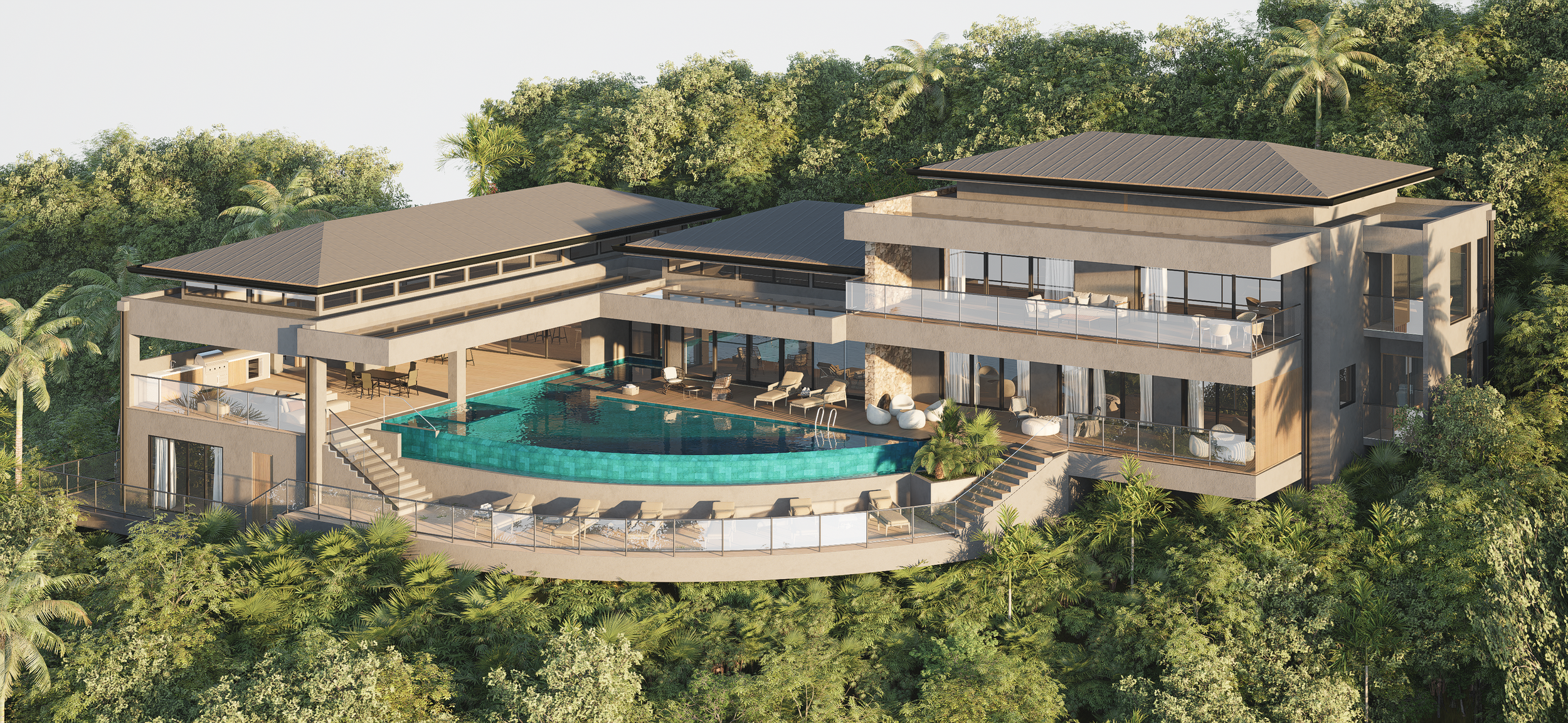
The Renderings at MonteBello 19 show each LEED Principle applied.
How Sustainable Luxury Design-Build Creates Homes That Are Beautiful, Efficient, and Built for the Future
Luxury home design has evolved far beyond premium finishes and spectacular views. Today's homeowners are looking for residences that not only reflect exceptional craftsmanship but also perform efficiently, promote wellbeing, and respect the natural environment.
At Grupo Pacífico, sustainability is never an afterthought. It is integrated into every phase of our sustainable luxury design-build process, from the first site analysis to the final construction details. One of the frameworks that inspires this approach is the Leadership in Energy and Environmental Design (LEED) rating system, widely recognized as the global benchmark for sustainable building practices.
Whether a home ultimately pursues LEED certification or simply adopts its principles, these strategies help create residences that are healthier, more comfortable, and better suited to Costa Rica's unique climate.
Why LEED Principles Matter in Costa Rica
Costa Rica's extraordinary biodiversity and tropical climate make sustainability especially relevant. The country's abundant sunshine, seasonal rainfall, ocean breezes, and diverse ecosystems create opportunities to design homes that naturally perform better while reducing environmental impact.
Rather than relying exclusively on mechanical systems, well-designed homes work with the climate by incorporating passive design strategies that improve comfort year-round.
For homeowners this means lower energy consumption, Improved indoor comfort, Better air quality, Reduced water usage, Long-term operational savings and Greater resilience.
These are not simply environmental benefits, they are qualities that define modern luxury living.
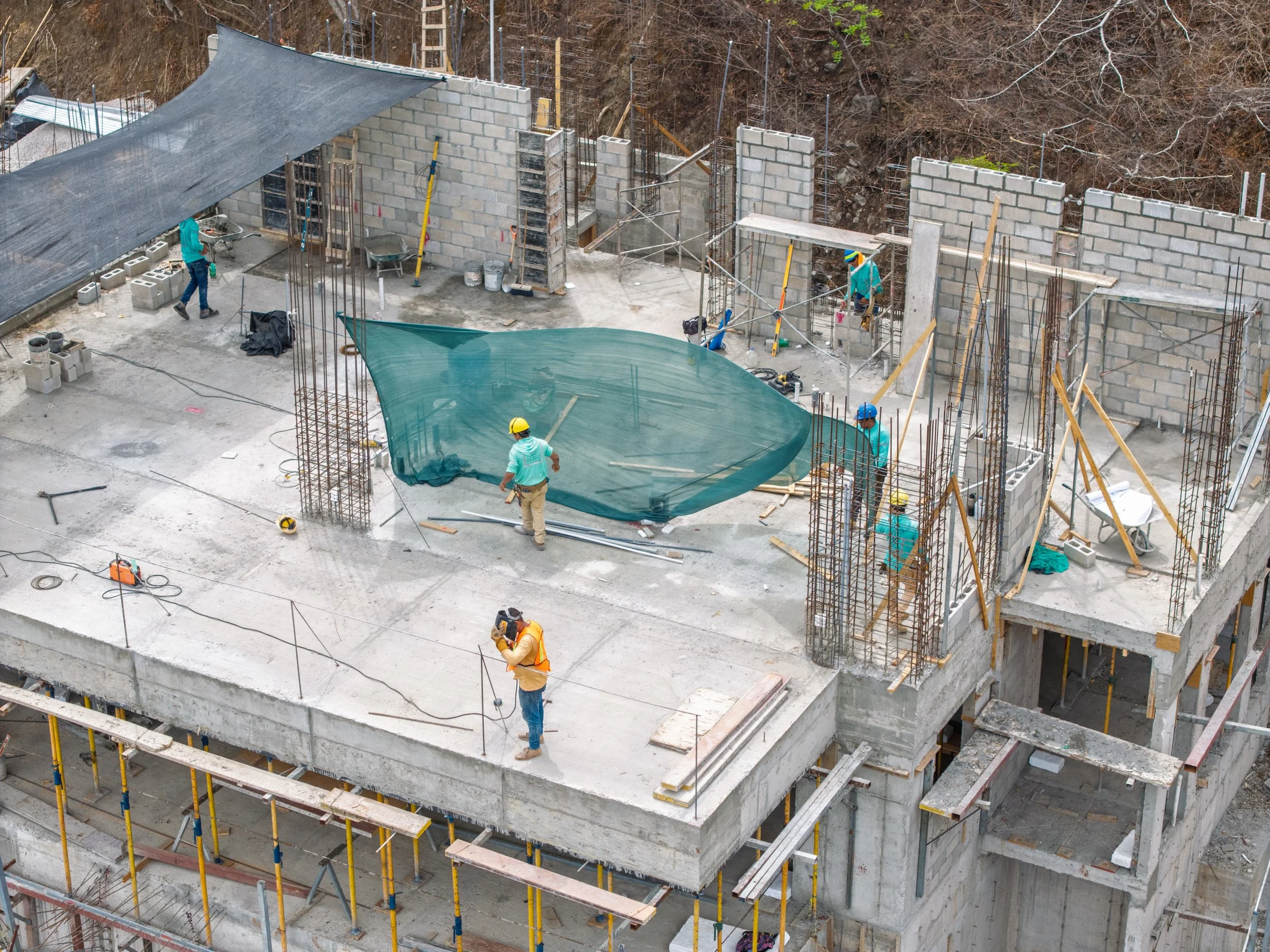
Building Process at MonteBello 19 – Modern Luxury Living starts from the ground up.
Smart Site Planning Begins Before Design
One of the most overlooked aspects of sustainable home design is selecting how a home sits on its site.
Before architectural plans begin, careful analysis helps determine:
Building orientation
Existing vegetation
Prevailing wind patterns
Solar exposure
Natural drainage
Ocean views
Earth movement requirements
Thoughtful site planning minimizes unnecessary environmental disturbance while allowing the architecture to respond naturally to its surroundings.
At Grupo Pacífico, we believe exceptional homes begin with understanding the land itself.
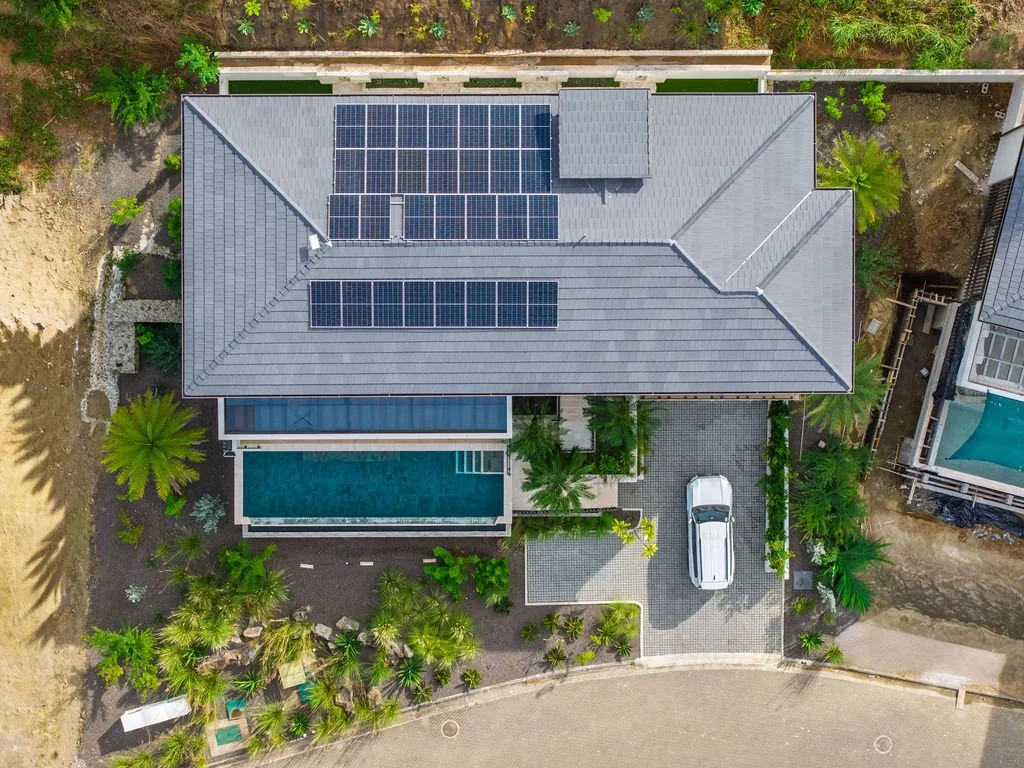
Condominium 12 is a perfect example of proper planning and great execution.
Designing with Natural Light and Ventilation
One of the most effective LEED-inspired strategies is reducing dependence on artificial lighting and excessive air conditioning.
Through intelligent design, homes can maximize:
Natural daylight
Large windows, open floor plans, and carefully positioned glazing allow daylight to reach interior spaces throughout the day, reducing energy consumption while creating brighter, healthier living environments.
Natural cross-ventilation
Costa Rica's coastal climate provides excellent opportunities for passive cooling. Properly positioned windows, doors, and outdoor spaces encourage natural airflow that improves indoor comfort while minimizing the need for mechanical cooling.
These design decisions create homes that feel comfortable because they work with nature—not against it.
Water Efficiency Is Essential
Water conservation has become increasingly important throughout many regions of Costa Rica.
Luxury homes can dramatically reduce water consumption by incorporating:
Low-flow plumbing fixtures
Efficient irrigation systems
Native landscaping
Xeriscaping principles
Rainwater management strategies
These measures help preserve local resources while reducing maintenance and operating costs over the life of the home.
Thoughtful water management is one of the defining characteristics of responsible sustainable luxury design-build.
Choosing Sustainable Materials
The materials selected during construction influence not only aesthetics but also durability, maintenance, and environmental impact.
Whenever possible, sustainable luxury homes prioritize materials that are durable, responsibly sourced, low maintenance, appropriate for tropical climates, designed for long-term performance.
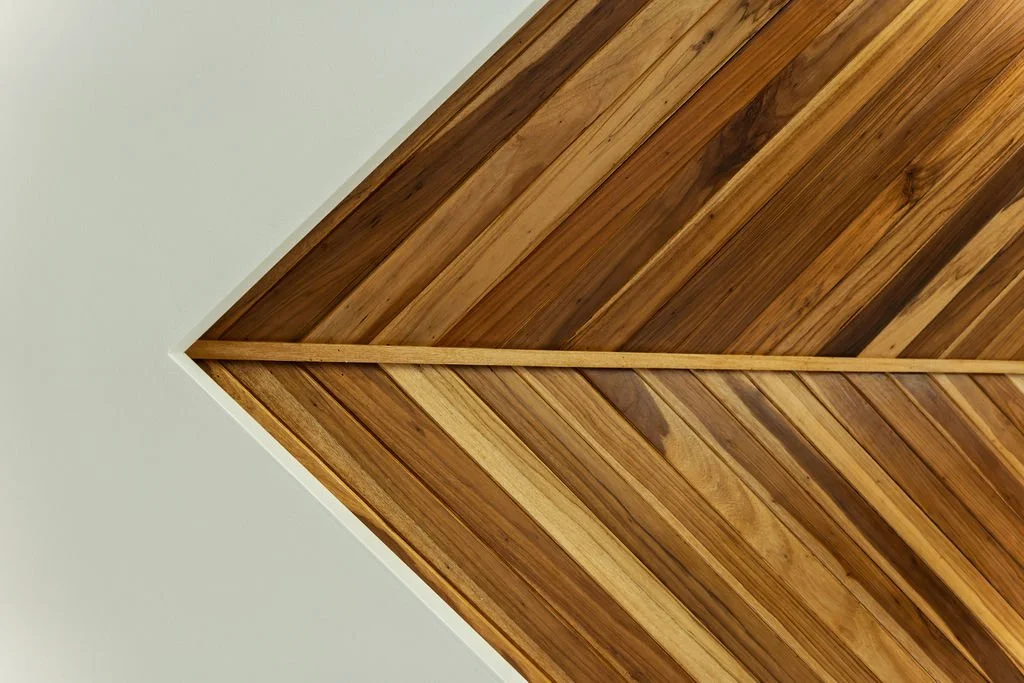
Natural stone, responsibly harvested wood, concrete designed for longevity, and high-performance glazing all contribute to creating homes that age gracefully while reducing lifecycle impacts.
Luxury should never mean replacing materials prematurely—it should mean building them to last.
Energy Efficiency Beyond Solar Panels
Many homeowners associate sustainable homes with solar panels, but energy efficiency begins long before renewable energy systems are installed. An efficient home starts with intelligent architecture.
Key strategies to look for when speaking to a builder include:
Passive shading
Roof overhangs
Building orientation
High-performance windows
Thermal insulation
Efficient HVAC systems
When combined with photovoltaic solar panels and battery storage, these measures create homes that consume significantly less energy while providing exceptional comfort. In Costa Rica, technology performs best when supported by thoughtful design.
Healthy Homes Are Better Homes
Luxury is also about how a home feels. LEED principles place significant emphasis on indoor environmental quality by encouraging:
Better air circulation
Reduced indoor pollutants
Increased natural daylight
Comfortable thermal conditions
Stronger connections to outdoor environments
These factors contribute to healthier living spaces that enhance wellbeing every day.
At Grupo Pacífico, wellness and sustainability go hand in hand.
Sustainability Increases Long-Term Value
Sustainable homes are increasingly attractive to buyers seeking quality, efficiency, and long-term investment value.
Features such as energy-efficient systems, water-conscious design, and durable materials can:
Lower operating costs
Reduce maintenance requirements
Improve occupant comfort
Increase market appeal
Support long-term property value
As expectations continue to evolve, sustainability has become a defining characteristic of premium residential construction rather than a niche feature.
Why an Integrated Design-Build Team Matters
Successfully incorporating LEED-inspired principles requires close collaboration between architects, engineers, builders, and sustainability specialists.
By integrating these disciplines under one team, decisions are coordinated from the earliest planning stages through final construction, ensuring that sustainability goals remain aligned with architectural vision, budget, and long-term performance.
This collaborative process allows every design decision—from site orientation to material selection—to contribute to a home that performs as beautifully as it looks.
Building Sustainable Luxury Custom Homes in Costa Rica
Building a luxury home in Costa Rica is about more than creating a beautiful place to live. It's about designing a home that responds intelligently to its environment, supports everyday wellbeing, and stands the test of time.
LEED principles provide a valuable framework for achieving these goals, whether through formal certification or by adopting the strategies that have made sustainable design the global standard.
At Grupo Pacífico, every project is guided by the belief that exceptional homes should be beautiful, resilient, efficient, and built with purpose.
Because true luxury isn't measured by what a home has, it's measured by how well it lives.
Grupo Pacifico
grupopacificocr.com
info@grupopacificocr.com
WA Business: +506.8657.7880